CULINARY TRAVEL
For those who believe the fastest way to understand a culture is through its food. Journeys designed around markets, vineyards, cooking classes, and meals that turn into memories worth savoring long after you return home.
LATEST CULINARY TRAVEL ARTICLES

ITALY
Why it's a culinary paradise
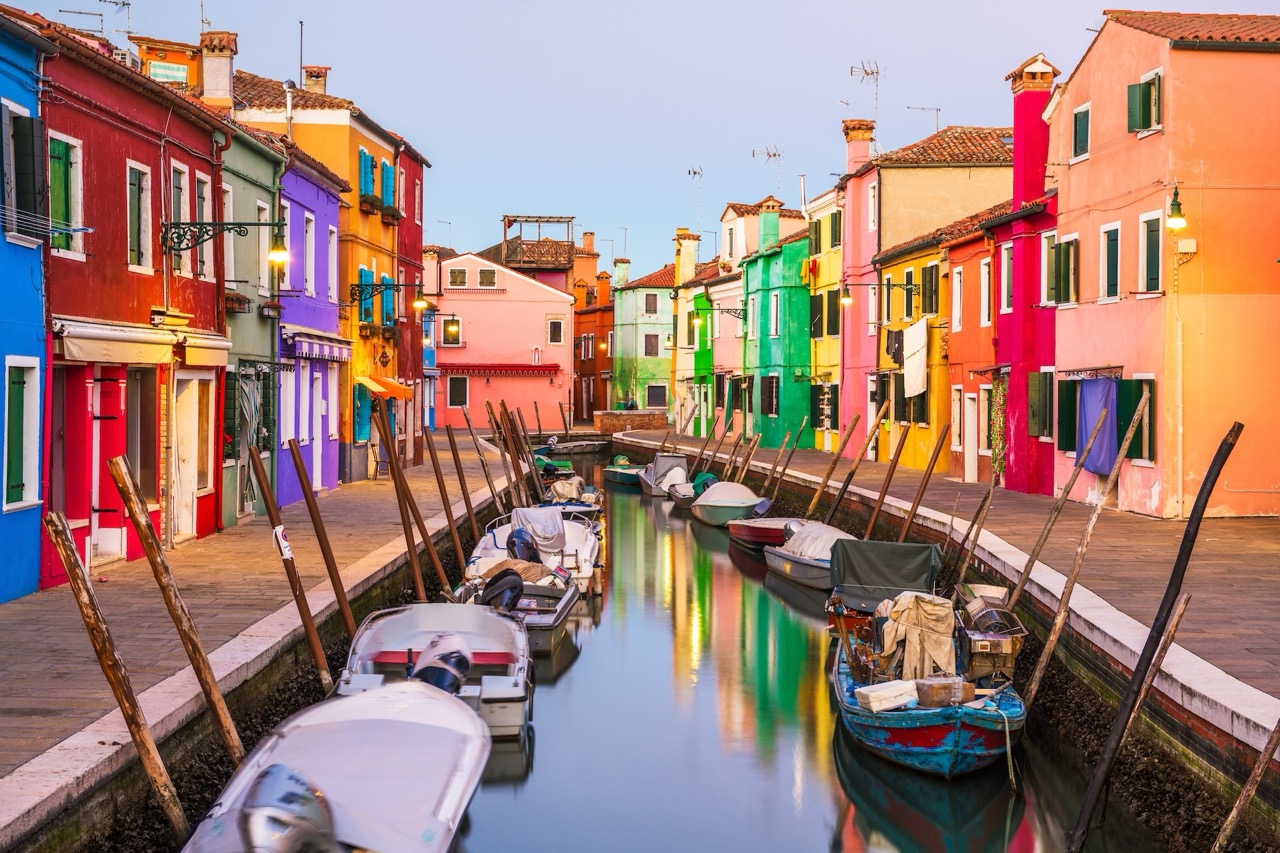
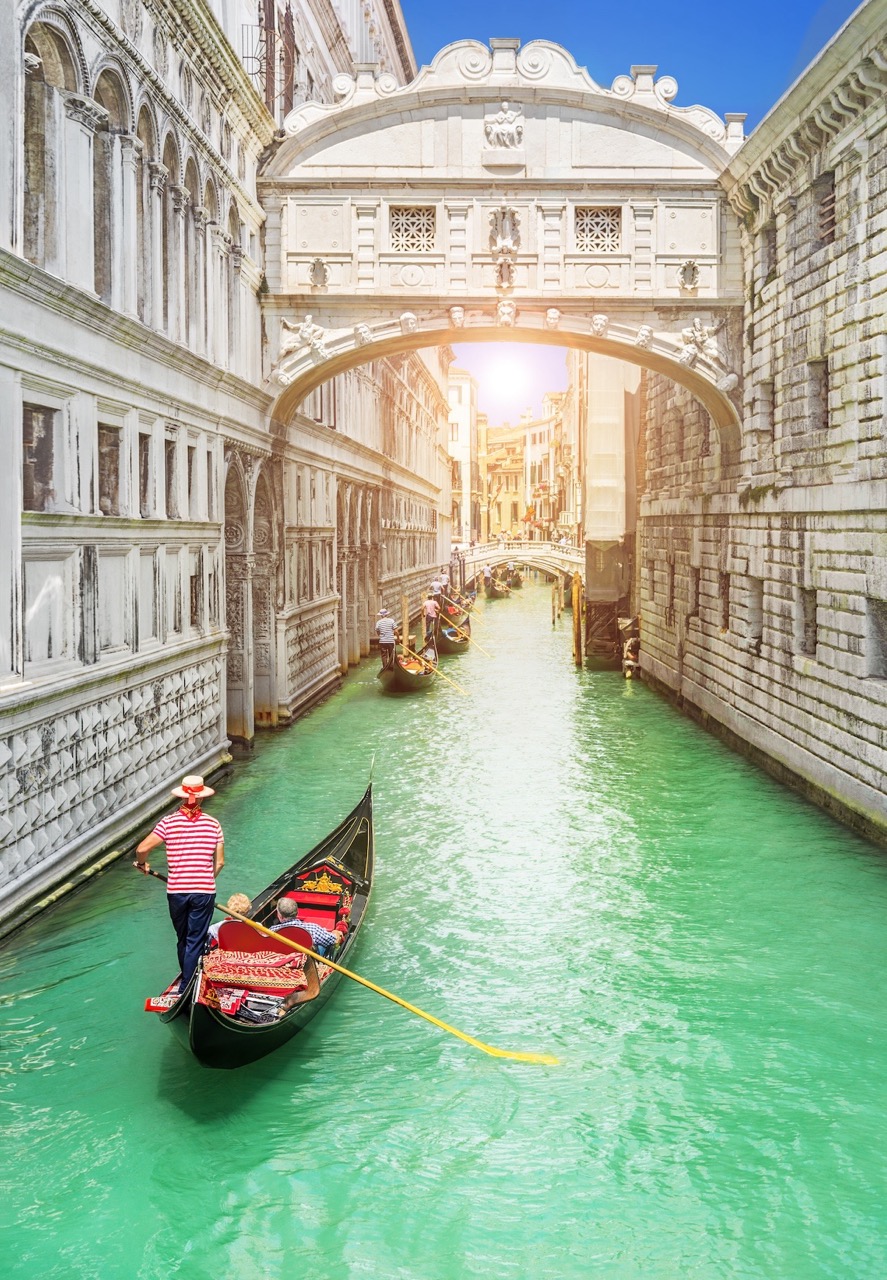
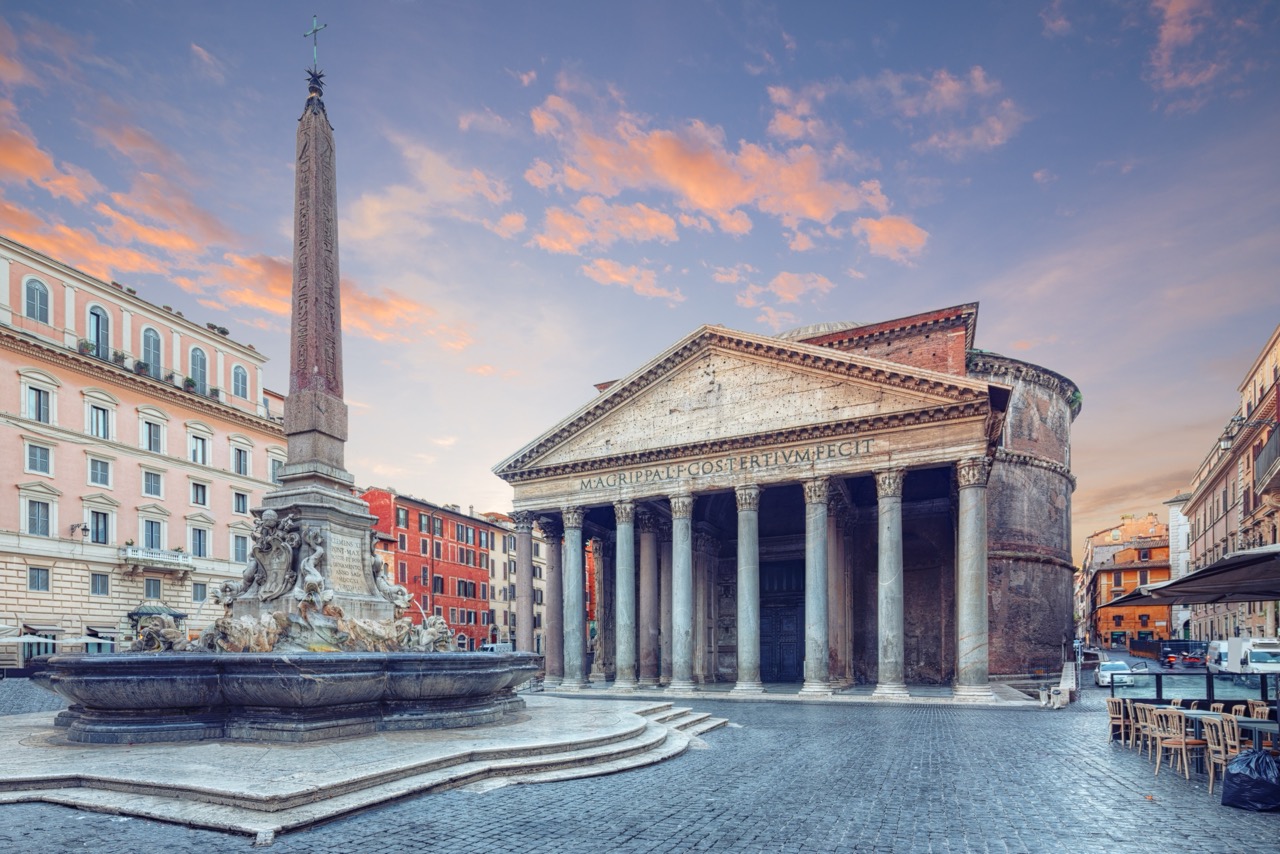
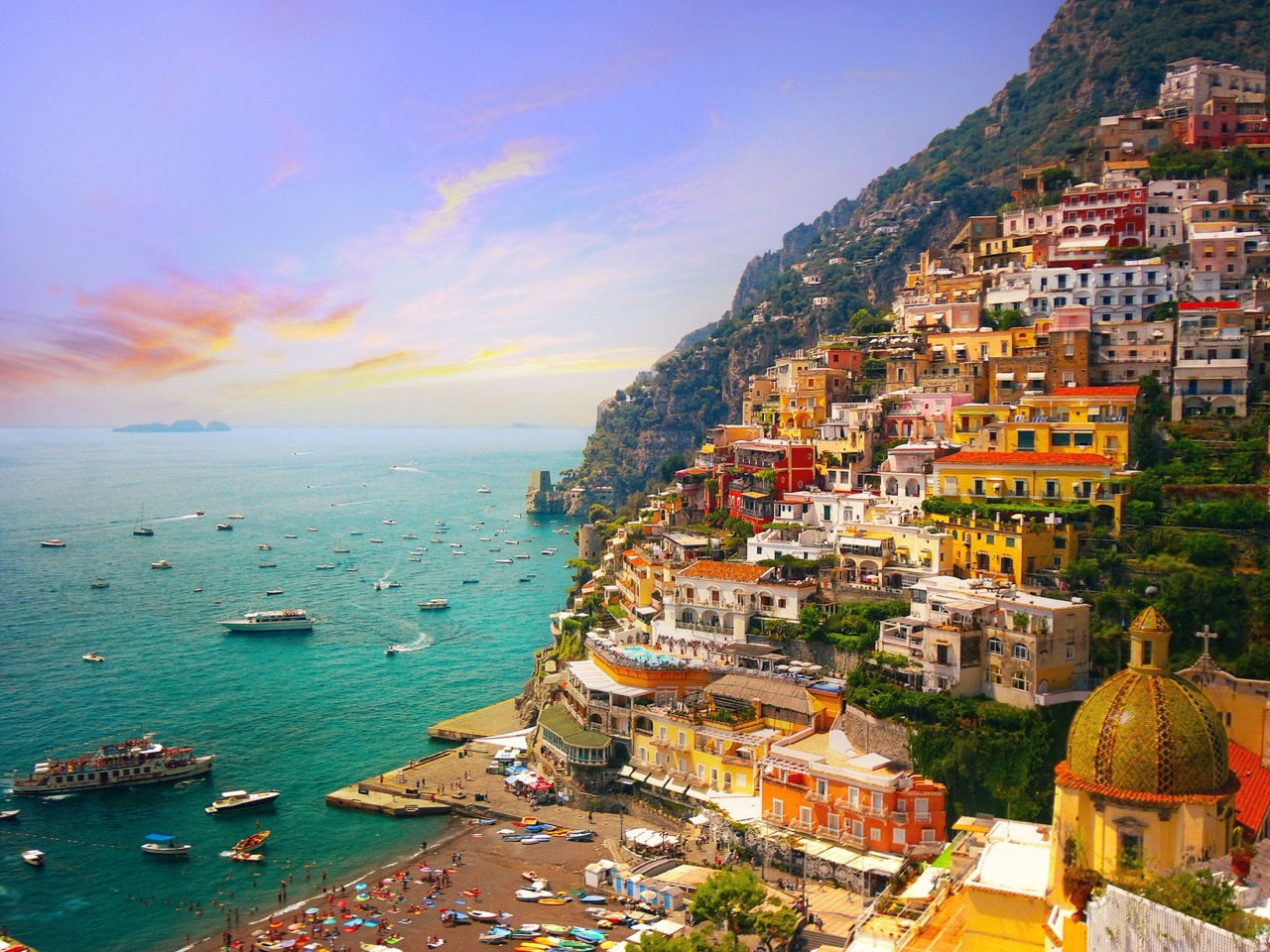
Italy does not just serve food. It celebrates it. From family-run trattorias to Michelin-starred dining rooms, every meal feels like an event worth attending.
Regional specialties change every few miles, wine flows like a cultural birthright, and fresh ingredients are treated with the reverence they deserve.
Cooking classes teach you techniques passed down through generations, and market tours reveal how Italians shop daily for produce that actually tastes like something.
Whether you are rolling pasta in Tuscany or sipping Barolo in Piedmont, Italy makes food the centerpiece of the entire experience.
What to taste
- Fresh Pasta in Bologna: Handmade tagliatelle with ragù that makes you question every pasta dish you have ever eaten elsewhere.
- Pizza in Naples: Thin crust, charred edges, and ingredients so simple they prove less really is more.
- Wine in Tuscany: Rolling hills, centuries-old vineyards, and Chianti that tastes better when paired with the view.
Culinary experiences
- Truffle hunting in Piedmont: Follow trained dogs through forests and taste what luxury actually means.
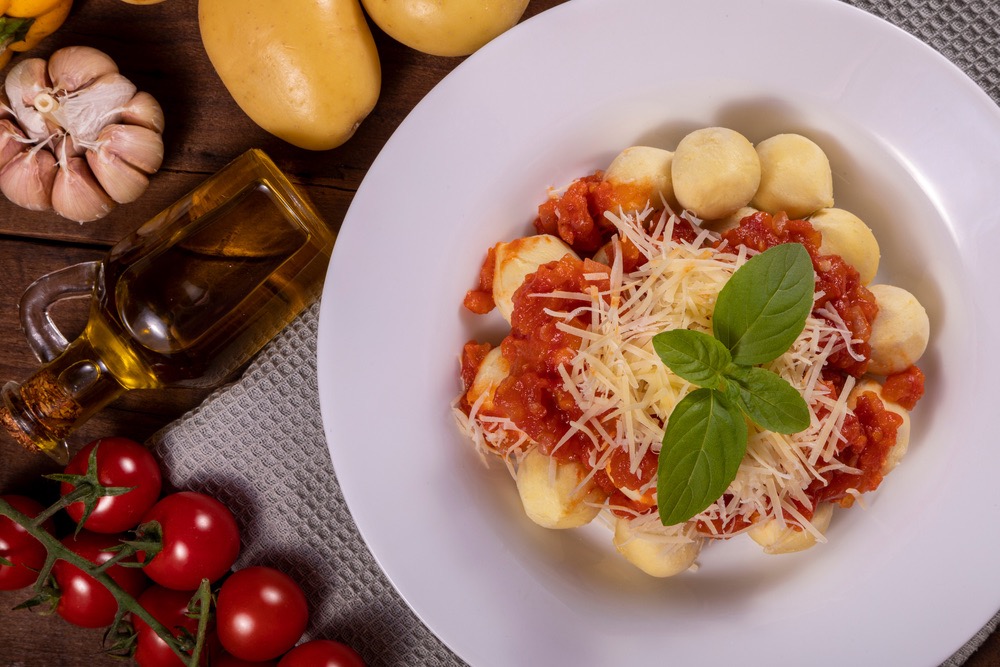
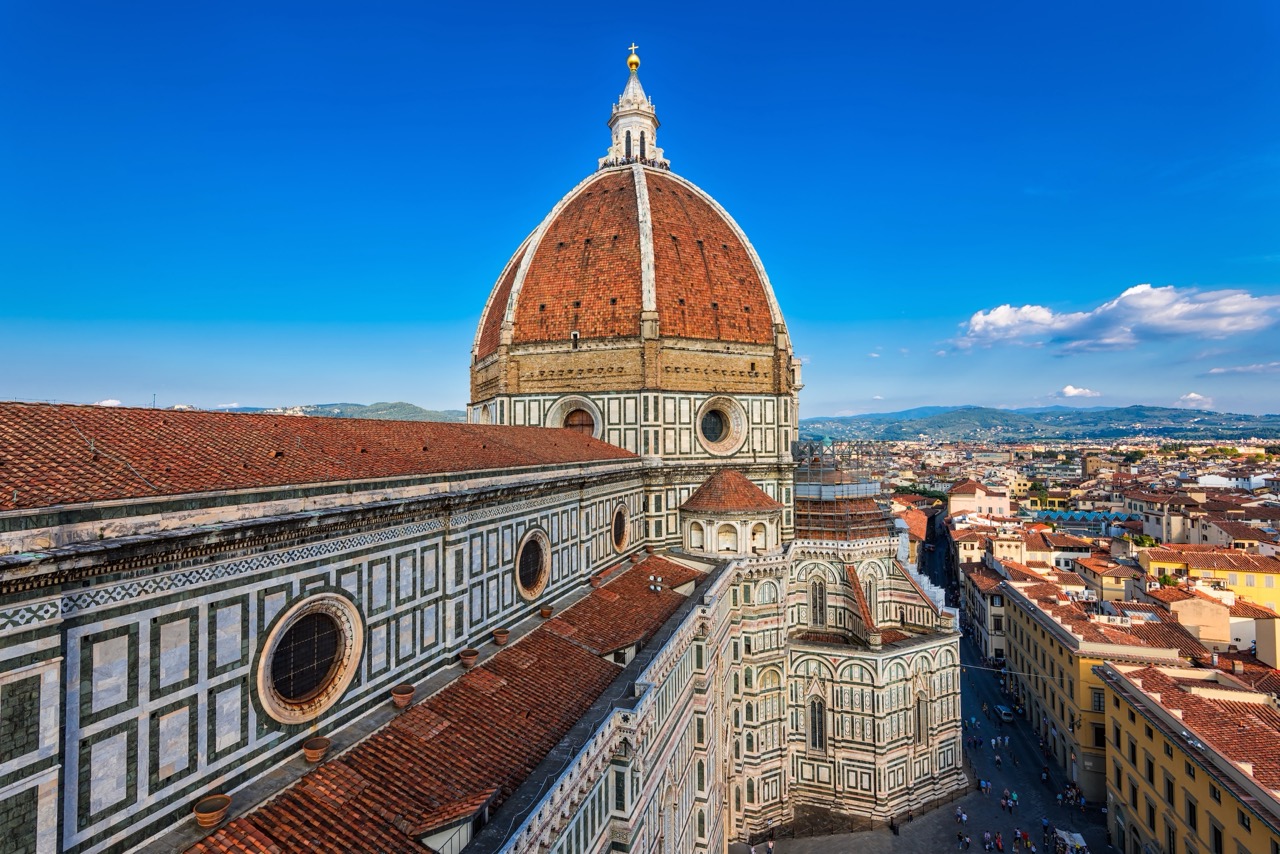
- Cooking class in Florence: Learn to make gnocchi from scratch and realize store-bought will never cut it again.
- Aperitivo culture in Milan: Pre-dinner drinks with snacks that turn into a full meal because Italians understand balance.
Getting Around
Trains connect major cities efficiently. Renting a car unlocks countryside vineyards and hilltop villages. Buses work for smaller towns. Walking is often the best option in historic centers where cobblestone streets were not designed for vehicles. Just be ready for meal times to dictate your schedule because Italians take dining seriously.










JAPAN
Why it's a culinary paradise
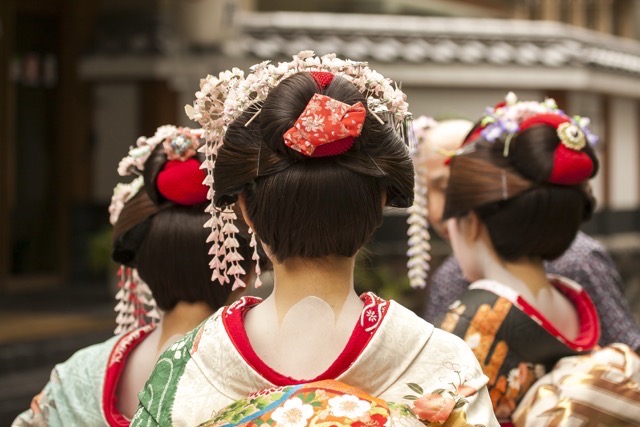
Japan treats food as both art and science. Every dish is crafted with precision, seasonal ingredients are honored, and presentation matters as much as flavor.
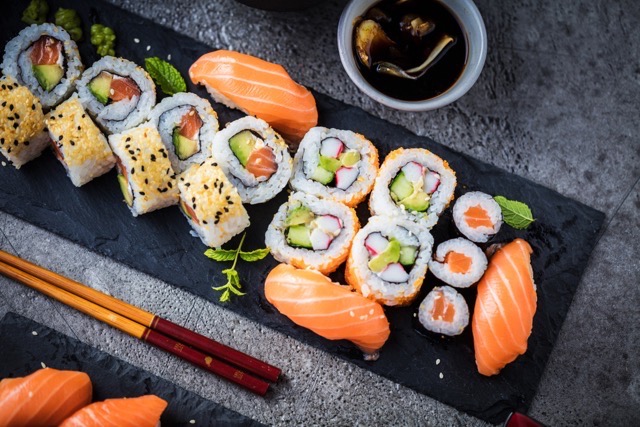
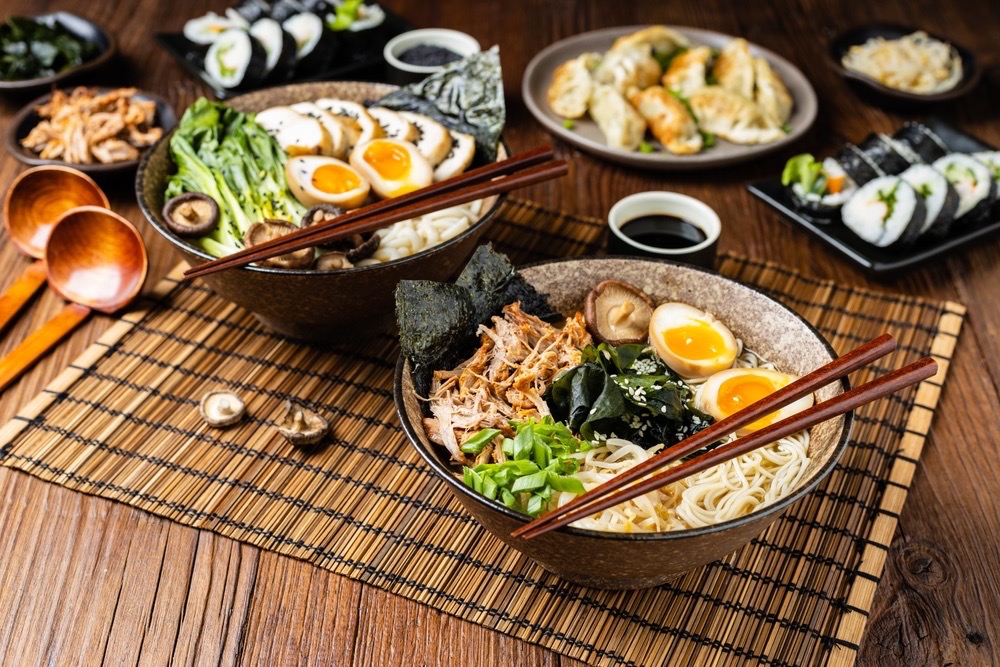
From sushi counters where chefs train for decades to ramen shops with lines around the block, quality is non-negotiable.
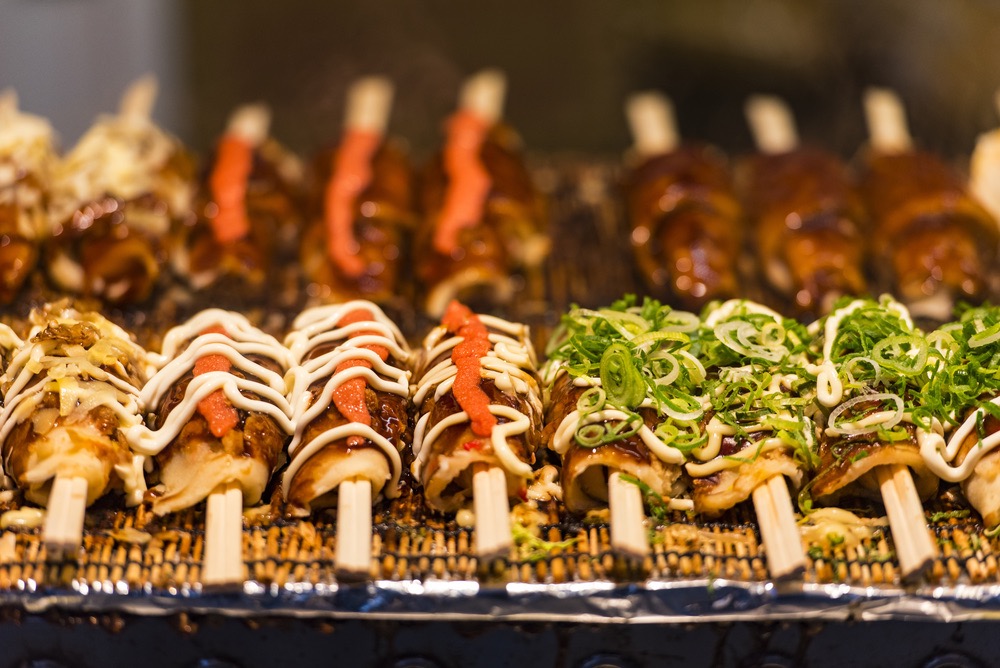
Tea ceremonies, sake breweries, and kaiseki dining turn meals into rituals. Street food stalls prove that excellence does not require a Michelin star.
Japan rewards those who approach food with curiosity and respect, offering flavors that linger in memory long after the trip ends.
What to taste
- Sushi in Tokyo: Omakase experiences where the chef decides and every piece is a revelation.
- Ramen in Osaka: Rich broths, perfectly cooked noodles, and toppings that make every bowl worth the wait.
- Kaiseki in Kyoto: Multi-course dining that celebrates seasonality and proves that less can absolutely be more when executed flawlessly.
Culinary experiences
- Tsukiji Market tour: Wake up early and experience Tokyo's seafood market before breakfast. The freshness is unmatched.
- Sake tasting in Niigata: Learn the difference between junmai and daiginjo while touring breweries older than most countries.
- Wagyu beef in Kobe: Melt-in-your-mouth perfection that redefines what beef can be. Worth every yen.
Getting Around
Japan's train system is legendary. Shinkansen bullet trains connect cities in hours. Subways make urban navigation effortless. Buses fill in rural gaps. Everything runs on time. Walking is ideal for exploring neighborhoods and stumbling upon hidden food gems. Just download a translation app because menus rarely come in English.
MOROCCO
Why it's a culinary paradise
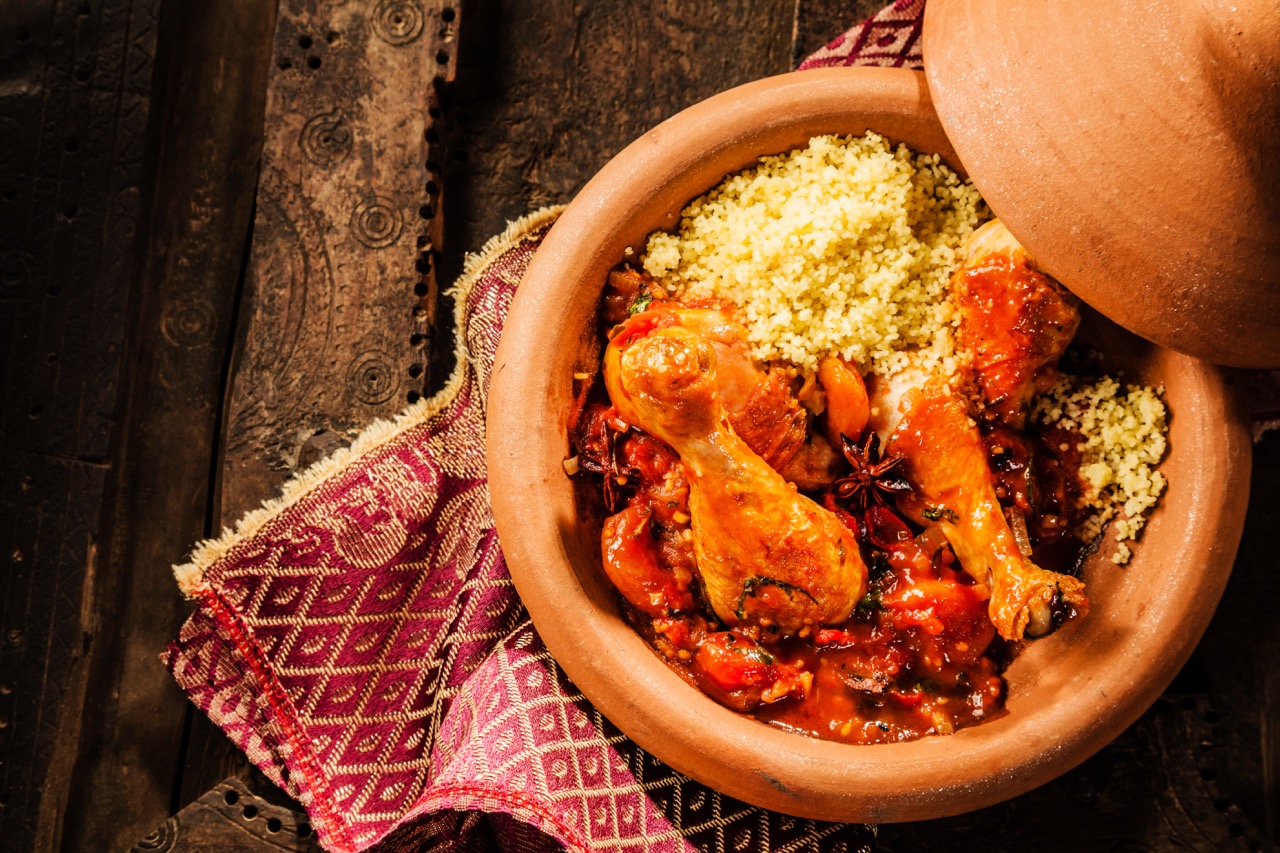
Morocco is where spices tell stories and every meal feels like a celebration. Tagines simmer for hours, couscous is hand-rolled, and mint tea flows as freely as conversation.
Markets overflow with saffron, cumin, and preserved lemons. Cooking classes reveal techniques passed through generations. Street food stalls serve snacks that rival sit-down restaurants.
The blend of Berber, Arab, and French influences creates flavors you will not find anywhere else.
Morocco proves that hospitality and food are inseparable, and every meal is an invitation to connect.
What to taste
- Tagine: Slow-cooked stews with lamb, chicken, or vegetables that capture the essence of Moroccan cooking in one clay pot.
- Couscous: Fluffy grains topped with tender meat and vegetables, typically served on Fridays as a communal feast.
- Pastilla: Sweet and savory pastry filled with pigeon or chicken, dusted with cinnamon and sugar. An unexpected flavor combination that works perfectly.
Culinary experiences
- Spice market tour in Marrakech: Navigate the souks with a guide who knows which stalls sell the real stuff and which ones cater to tourists.
- Cooking class in Fes: Learn to make b'stilla and harira soup in a traditional riad kitchen. Take the recipes home and impress everyone.
- Mint tea ceremony: Watch the theatrical pour from a height and understand why this ritual is central to Moroccan culture.
Getting Around
Trains connect major cities comfortably. Buses work for smaller towns and desert routes. Grand taxis offer shared rides between cities. Within medinas, walking is the only real option because narrow alleys were not designed for cars. Renting a car works for countryside exploration, but city driving is best left to locals who understand the chaos.













FRANCE
Why it's a culinary paradise
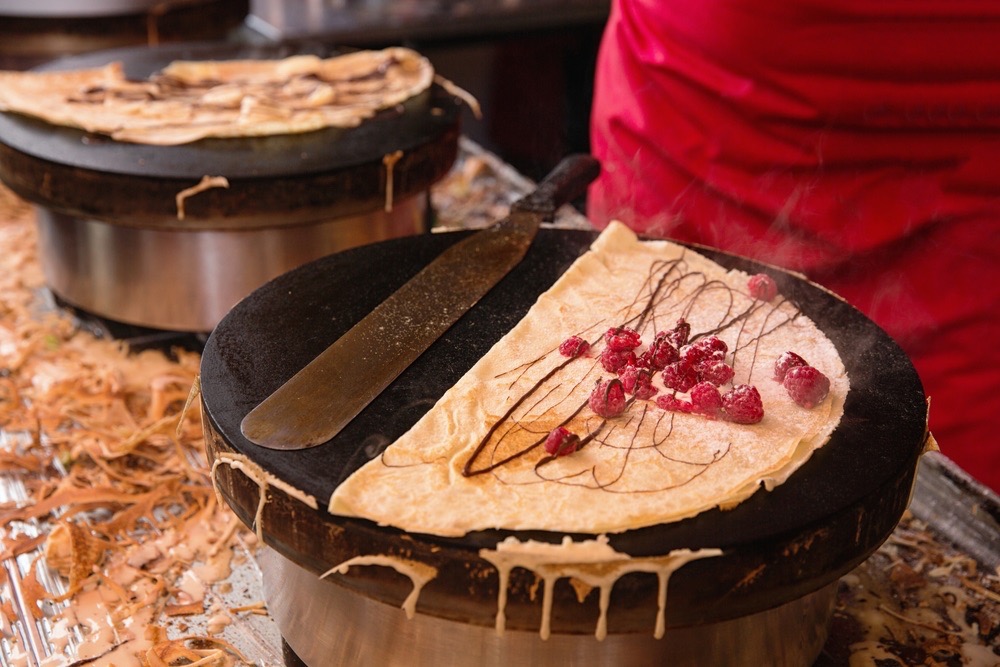
France invented the modern restaurant and has been setting the standard ever since. From Michelin stars to corner bistros, the French take food seriously without taking themselves too seriously.
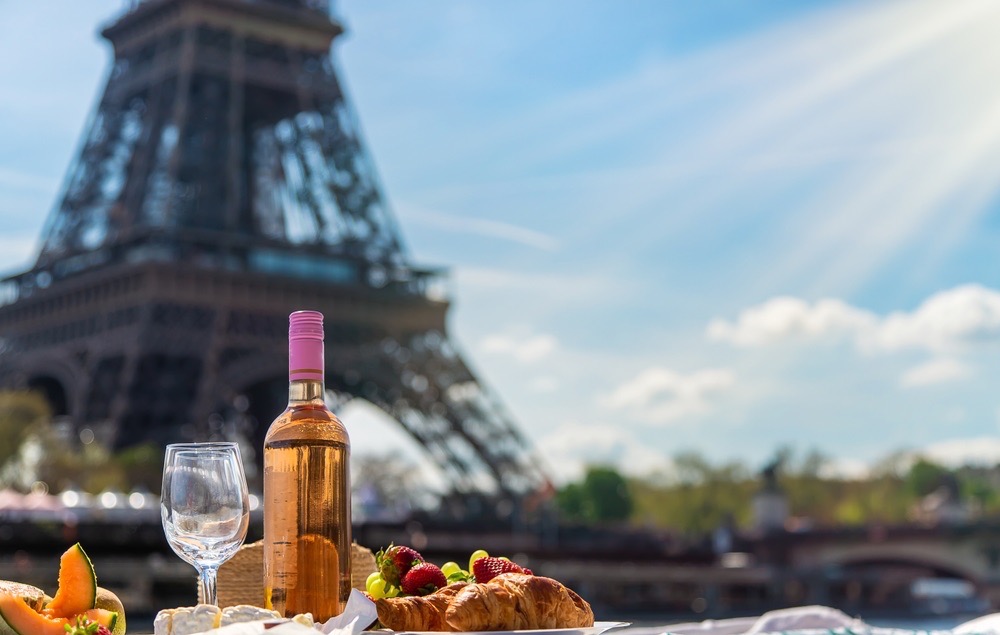
Croissants taste better in Paris. Wine regions like Bordeaux and Burgundy turn tastings into education. Farmers markets overflow with cheese that actually has flavor.
Every region boasts its own specialties, techniques, and pride. Cooking here is both tradition and innovation.
France proves that good food does not need to be complicated, just prepared with care and enjoyed without rushing.
What to taste
- Croissants in Paris: Buttery, flaky, and proof that breakfast is worth waking up for.
- Wine in Bordeaux: Tour châteaux, taste vintages, and understand why French wine has the reputation it does.
- Bouillabaisse in Marseille: Seafood stew that captures the Mediterranean in a bowl. Order it with confidence and savor every spoonful.
Culinary experiences
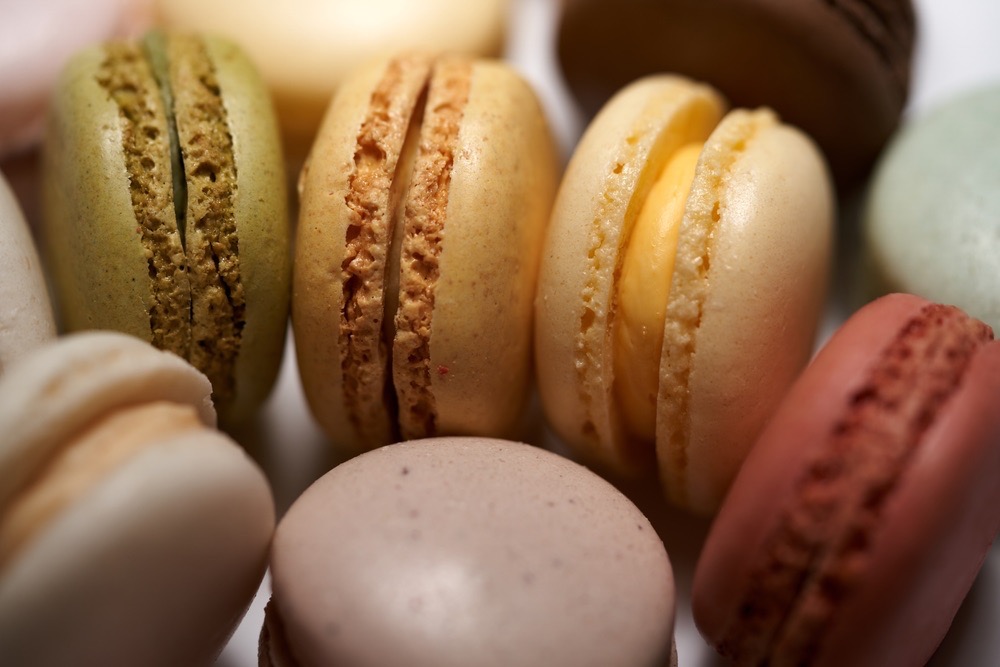
- Pastry class in Lyon: Learn to make éclairs and macarons from pastry chefs who have perfected the craft.
- Champagne tasting in Reims: Tour cellars, learn the méthode champenoise, and toast to the good life.
- Truffle market in Provence: Experience the frenzy of truffle season where locals haggle over fungi worth more than gold.
Getting Around
High-speed TGV trains connect cities quickly. Regional trains reach wine country and coastal towns. Metros make Paris navigable. Renting a car opens up countryside routes through vineyards and villages. Biking works well in Loire Valley and Provence. Just be ready for long lunches because the French do not rush meals.
CHINA
Why it's a culinary paradise
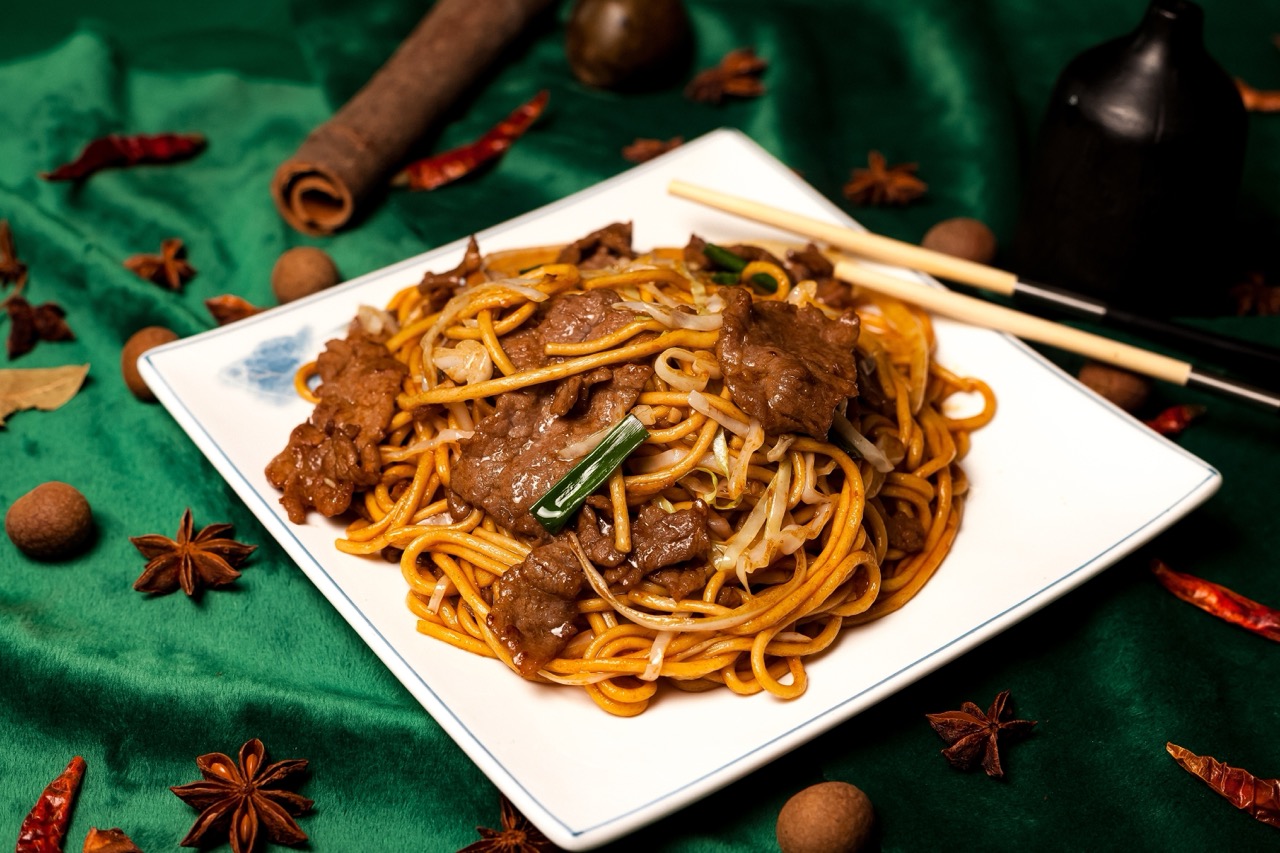
China is massive, and so is its culinary diversity. Every region boasts its own flavors, techniques, and signature dishes that have been perfected over centuries.
Sichuan brings heat and numbing spice. Cantonese cuisine offers delicate dim sum. Shanghai specializes in dumplings that justify the hype.
Street food markets buzz with energy, tea culture runs deep, and dining is always a communal affair meant to be shared.
China challenges preconceptions and rewards adventurous eaters willing to try things they cannot pronounce but will never forget.
What to taste
- Peking Duck in Beijing: Crispy skin, tender meat, and thin pancakes. The signature dish for a reason.
- Xiaolongbao in Shanghai: Soup dumplings that require technique to eat and deliver flavor worth the effort.
- Hot Pot in Chengdu: Choose your broth, pick your ingredients, and cook your own meal while conversation flows freely.
Culinary experiences
- Cooking class in Chengdu: Learn to balance flavors with Sichuan peppercorns and chili oil. Your taste buds will thank you.
- Tea ceremony in Hangzhou: Discover the art of tea preparation in the region famous for Longjing green tea.
- Street food tour in Xi'an: Sample lamb skewers, roujiamo, and biangbiang noodles in the Muslim Quarter.
Getting Around
High-speed trains connect major cities efficiently. Metros navigate urban sprawl. Taxis and ride-sharing apps work well. Buses reach smaller towns. Domestic flights save time on long distances. English is limited outside tourist areas, so translation apps are essential. Just be ready for crowds because China does not do anything small.



















SOUTH AFRICA
Why it's a culinary paradise
South Africa blends African, European, and Asian influences into a food scene that surprises even seasoned travelers. Cape Town alone offers world-class dining, vibrant markets, and wine regions that rival anywhere.
Braai culture brings people together over open flames. Indigenous ingredients like rooibos and biltong add unique flavors. Coastal towns serve seafood so fresh it was swimming hours earlier.
The wine industry has exploded in quality, and vineyards offer tastings with mountain backdrops that make every sip memorable.
South Africa proves that culinary excellence does not require centuries of tradition, just passion and incredible ingredients.
What to taste
- Braai: South African BBQ that goes beyond grilling. It is a social event, a tradition, and an excuse to gather around fire and good company.
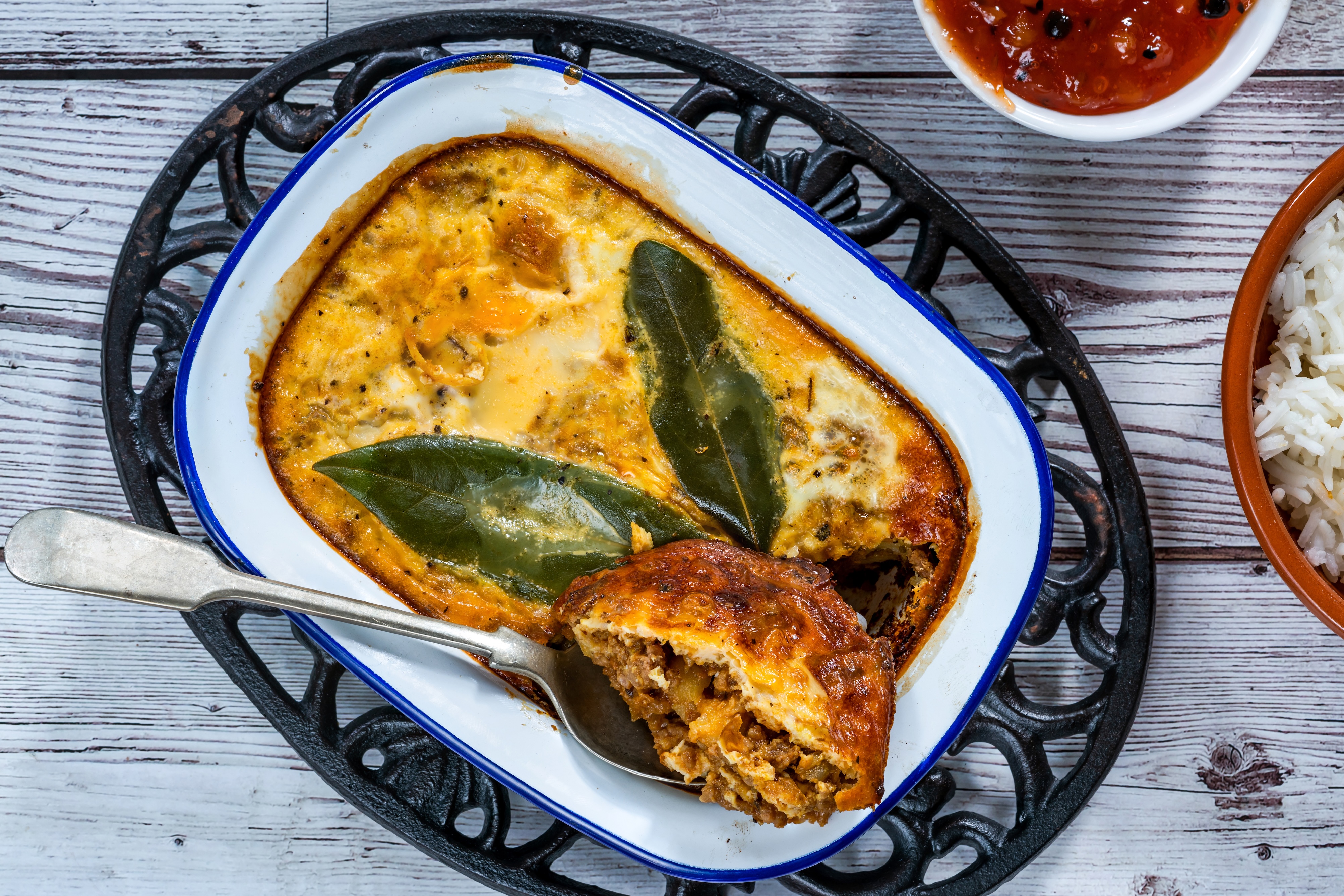
- Bobotie: Spiced minced meat baked with an egg topping. Sweet, savory, and uniquely South African.
- Seafood in Cape Town: Fresh crayfish, line fish, and oysters from the Atlantic and Indian Oceans. Order with confidence.
Culinary experiences
- Wine tasting in Stellenbosch: Tour estates, taste award-winning wines, and pair them with food in settings that belong on postcards.
- Township food tour in Johannesburg: Experience authentic South African flavors away from tourist traps. The locals know where the best food hides.
- Cooking class in Durban: Learn to make bunny chow and curry dishes influenced by the city's Indian community.
Getting Around
Renting a car is the best option for exploring wine routes and coastal drives. Domestic flights connect major cities quickly. Uber works well in urban areas. Buses and trains exist but are less reliable. Guided tours handle logistics for culinary experiences. Just be mindful of distances because South Africa is bigger than it looks on a map.
CULINARY TRAVEL PROFESSIONALS
Planning a culinary trip sounds delicious until you realize how much research goes into finding the right restaurants, markets, cooking classes, and wine regions.
Should you book that truffle hunt? Which vineyard actually delivers? Where do locals eat when tourists are not around?
A culinary-focused travel professional takes the guesswork out of planning. They know which experiences are worth the splurge, which markets open when, and how to score reservations at restaurants with year-long waitlists. Think insider access, zero food regrets, and itineraries built around flavors instead of sightseeing.
Loading travel professionals...

We ate our way through Italy
We wanted to experience Italy through food, and our travel professional delivered beyond expectations. Cooking classes in Tuscany, truffle hunting in Piedmont, wine tastings in Chianti, and restaurant reservations we never could have scored on our own. Every meal was thoughtfully planned, and we never had to stress about where to eat next. We came home ten pounds heavier and completely satisfied.
- David & Rachel K, Austin, TX


